Introduction to Copper Seam Roof Panels: A Timeless Choice for Homeowners
When it comes to selecting roofing materials, homeowners are often looking for a blend of durability, aesthetics, and longevity. Copper seam roof panels stand out as a premium choice in the market, offering an unmatched combination of these qualities. This introductory look at copper seam roofing will delve into why this material has been a favourite for centuries and continues to be a top pick for discerning homeowners.
Service life varies with the quality and condition of the material, installation, exposure and maintenance. Assess the actual roof, including fixings, flashings and supporting elements, rather than relying on a single lifespan figure when comparing repair or replacement options.
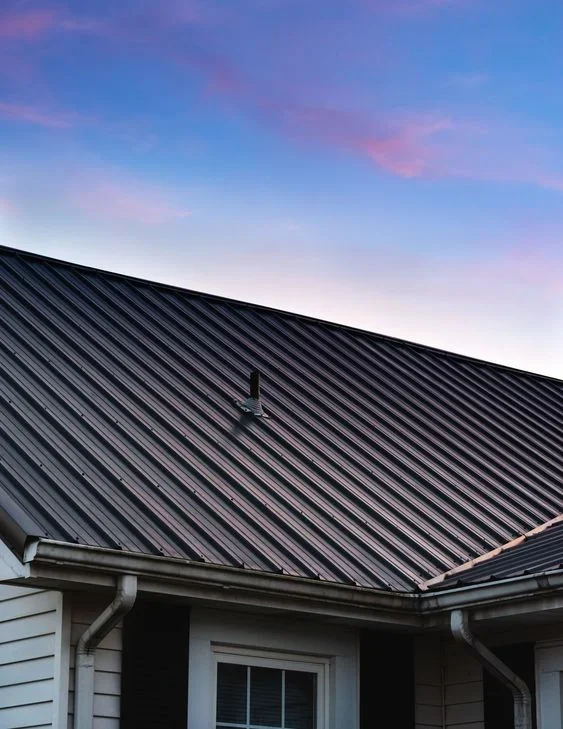
From an installation perspective, copper seam panels offer a secure and robust roofing solution. They are installed using a raised seam, which provides an additional layer of protection against leaks. This method of installation has a two-fold benefit: it creates a striking architectural element while enhancing the roof’s ability to resist environmental elements. Homeowners who choose copper seam panels are investing in a roof that will not only stand the test of time but will also maintain its integrity against the elements.
Indoor comfort and energy use depend on the complete roof system, including insulation, ventilation and the building itself. The roof covering alone does not establish an insulation value or a reduction in energy bills. Discuss the full assembly and any product-specific performance evidence when comparing options.
Advantages of Copper Seam Roof Panels for Durability and Longevity
Copper seam roof panels are renowned for their exceptional endurance and lifespan, outperforming many other roofing materials in several key facets. One of the primary advantages of copper roofing is its ability to withstand various weather conditions. Copper’s inherent resistance to corrosion means that these roofs are far less likely to succumb to the detrimental effects of rain, snow, and hail. Moreover, copper’s natural patina process serves as a protective barrier that evolves over time, which not only enhances its durability but also maintains its structural integrity against harsh UV rays.
Additionally, copper seam roofs support weight distribution effectively, reducing the risk of damage during heavy snowfall or accumulation of debris. This is partly thanks to the way copper panels are installed. The metal’s malleability allows for secure seams that provide superior protection against leaks and drafts, preserving the overall structure of the roof. While other materials might crack or split under extreme temperature fluctuations, copper’s flexibility accommodates expansion and contraction without compromising the roof’s protective qualities.
Not only are copper seam roof panels robust and long-lived, but they also come with an added bonus of being environmentally friendly. Copper is a fully recyclable material, and with its extended lifespan, it contributes minimally to waste in landfills. Many copper roofs installed today are made from recycled materials, making this roofing option even more attractive for those seeking eco-friendly building solutions. The superior longevity of copper seam panels means that the need to replace or refurbish the roof is significantly reduced, translating into lower material and labour costs over time and a smaller environmental footprint.
Installation Process of Copper Seam Roof Panels: What You Need to Know
The installation of copper seam roof panels is a detailed process that requires precision and expertise. Before beginning the installation, it is imperative to ensure that the roof deck is solid, clean, and perfectly flat. Imperfections on the surface can affect the final appearance and functionality of the copper panels. Additionally, it is important to check the local building codes and regulations to ensure your installation complies with all safety and construction standards.
Preparation Phase
Check the proposed material and work specification before proceeding. Expected performance depends on the selected product, installation details, exposure and ongoing care. Ask what is included in the scope and refer to the relevant product documentation rather than relying on a blanket promise.
Installation Techniques
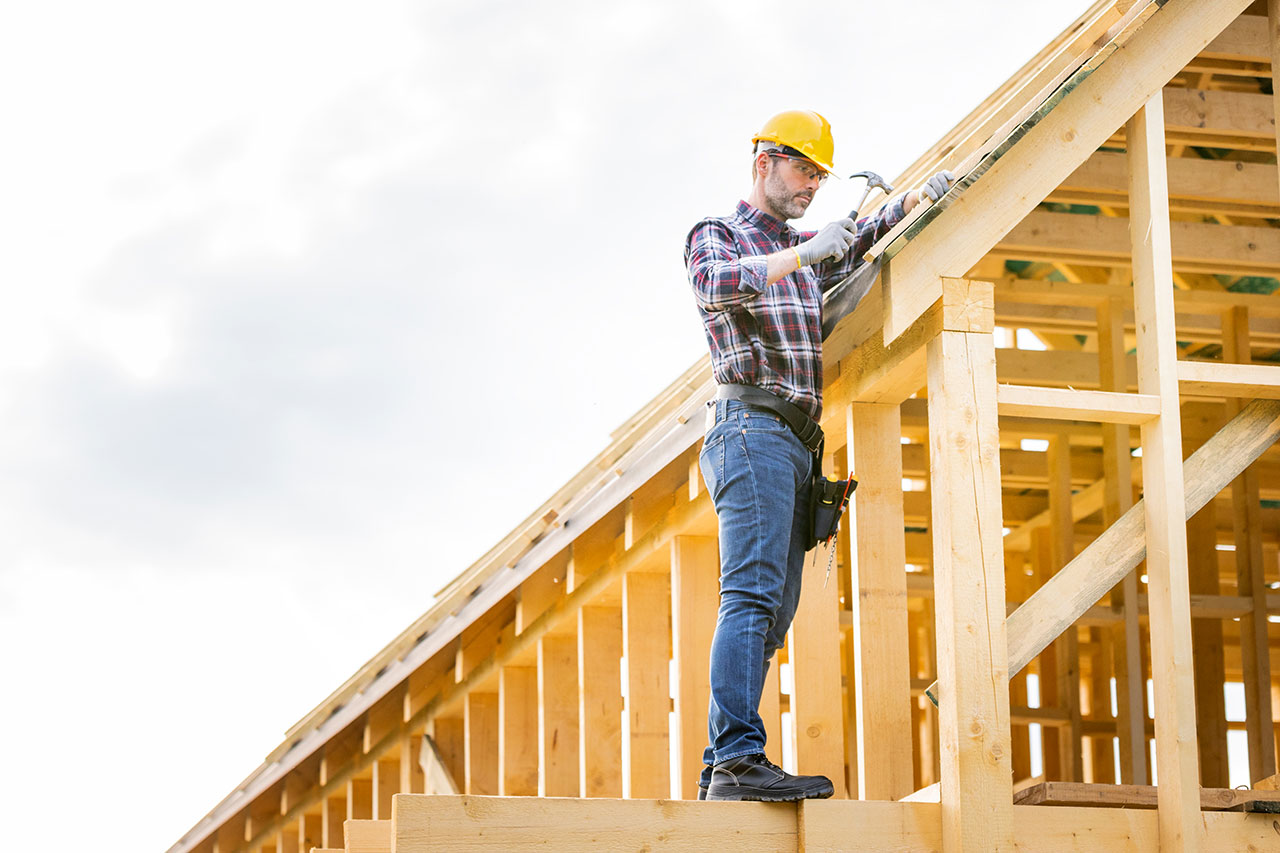
The actual installation of copper seam roof panels involves a series of steps that must be followed meticulously. Begin by securing the first panel in place, making sure it is perfectly aligned because it sets the pattern for the rest of the panels. A common technique used is the standing seam method, which requires crimping the panel joints with a special tool to ensure a tight seam that is both waterproof and allows for thermal movement. It is important to wear gloves when handling copper panels to prevent oils from your hands from tarnishing the metal.
Maintenance Tips for Copper Seam Roof Panels: Preserving the Beauty
Copper seam roof panels add an undeniable charm and aesthetic appeal to any building, but their beauty can only be maintained with proper care. Weathering and time affect the copper panels, gradually changing their bright, shiny appearance to a unique verdigris patina. To preserve the initial luster for as long as possible and ensure the roof remains in good condition, a routine maintenance schedule is essential. Understanding the nuances of copper’s ageing process and the impact of environmental factors is key to successful long-term maintenance.
Firstly, it is important to keep the copper panels clean. Accumulation of leaves, branches, and other debris can trap moisture on the roof, potentially leading to corrosion over time. Regular visual inspections and gentle cleaning to remove organic material can go a long way in extending the lifespan of your copper roof. When cleaning, use a soft bristled brush and avoid abrasive materials or harsh chemicals that could scratch the copper surface or accelerate the patination process prematurely.
Another essential maintenance tip involves inspecting the roof for signs of damage or wear. Look for any seams that may have become loose or any fasteners that have started to corrode. Addressing these areas quickly can prevent water from penetrating the roof structure, which could cause extensive damage both to the roof itself and the underlying structures. When tightening seams or replacing fasteners, it is critical to use materials that are compatible with copper to avoid galvanic corrosion, which can occur when copper comes into contact with dissimilar metals in the presence of moisture.
Finally, consider the impact of environmental factors such as pollution, salt spray, and the presence of other metals on the roof. These can accelerate the corrosion process, so taking steps to minimise their effects can be very beneficial. In areas with high pollution levels or near coastal regions, more frequent inspections and cleanings may be necessary. Additionally, it’s advisable to ensure that other metallic elements, such as gutters, flashing, and vents, are also made of copper or compatible materials to avoid galvanic reactions. Regular upkeep, guided by these maintenance tips, ensures that your copper seam roof remains a visually striking feature of your property for years to come.
FAQs and Common Misconceptions about Copper Seam Roof Panels
Another frequent misunderstanding is regarding the patina that forms on copper over time. Many people mistakenly think that the greenish hue, known as patina, indicates damage or wear. In reality, this natural process is a protective barrier that forms as the copper reacts with the elements. This patina not only enhances the roof’s durability by protecting it from further weathering but also adds to the distinctive character that copper roofs are known for.
Lastly, a common misconception is that copper roofing is only suitable for certain types of architecture. While it is true that copper roofing can be found on historic and high-end homes, its versatility allows it to complement a variety of building styles. From modern to traditional designs, copper can be shaped and installed in ways that can enhance the architectural beauty of any structure.